
Behind MKD
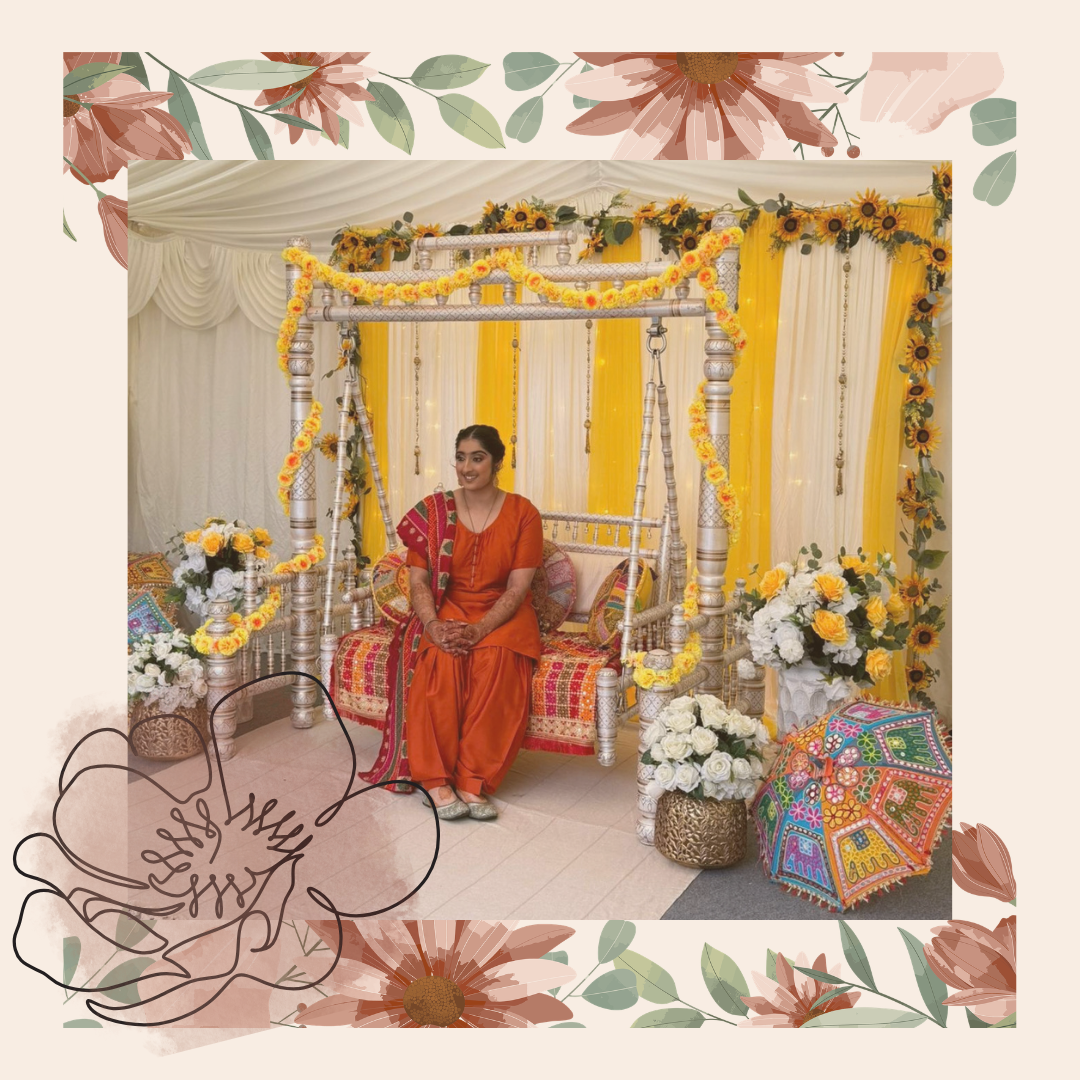
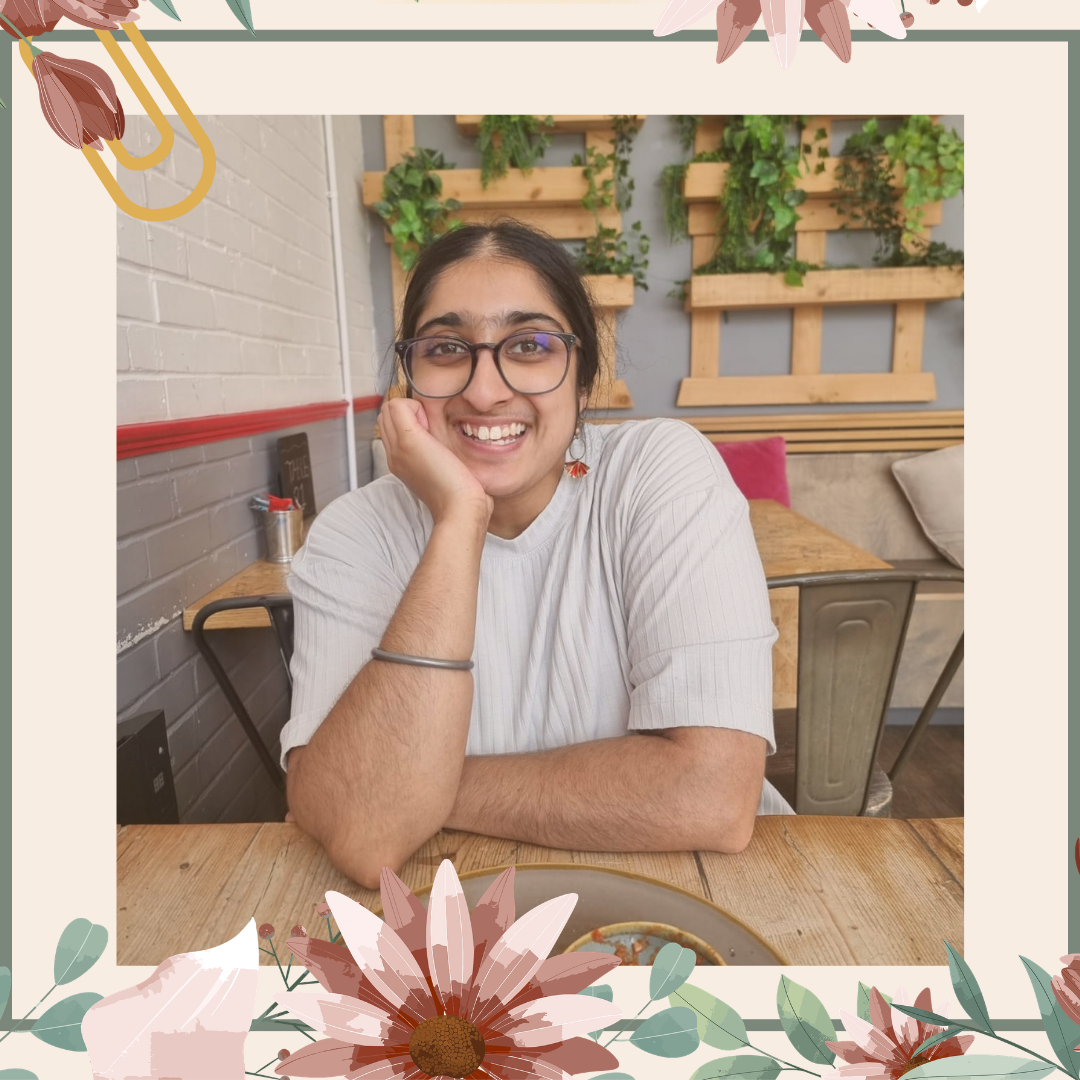
Hi I’m Mansukh,
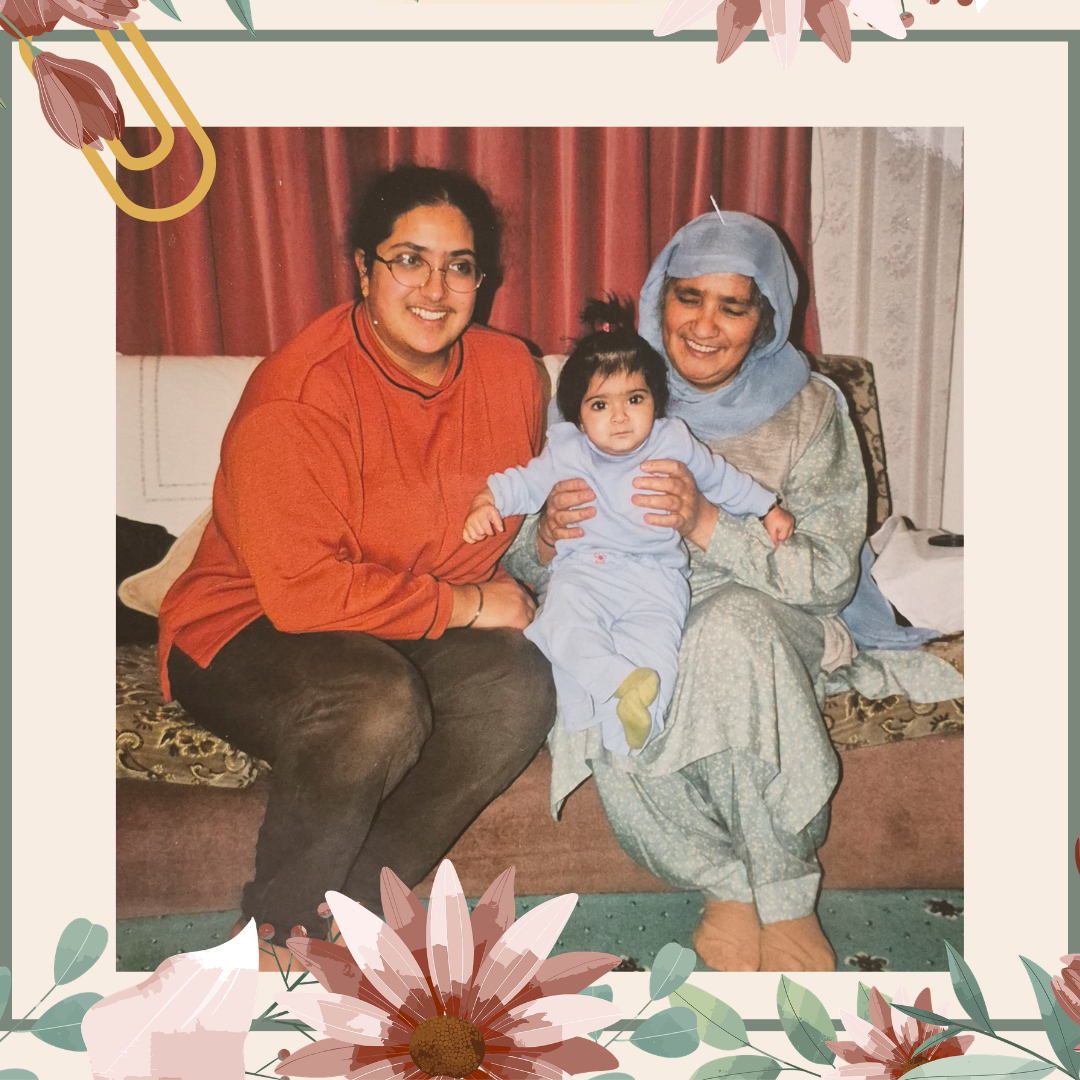
I’m a third-generation textile artist. From my nani ji, who created durris (rugs), stitched phulkari’s and created so much more, to my mom, who learnt the art of sewing, to me…
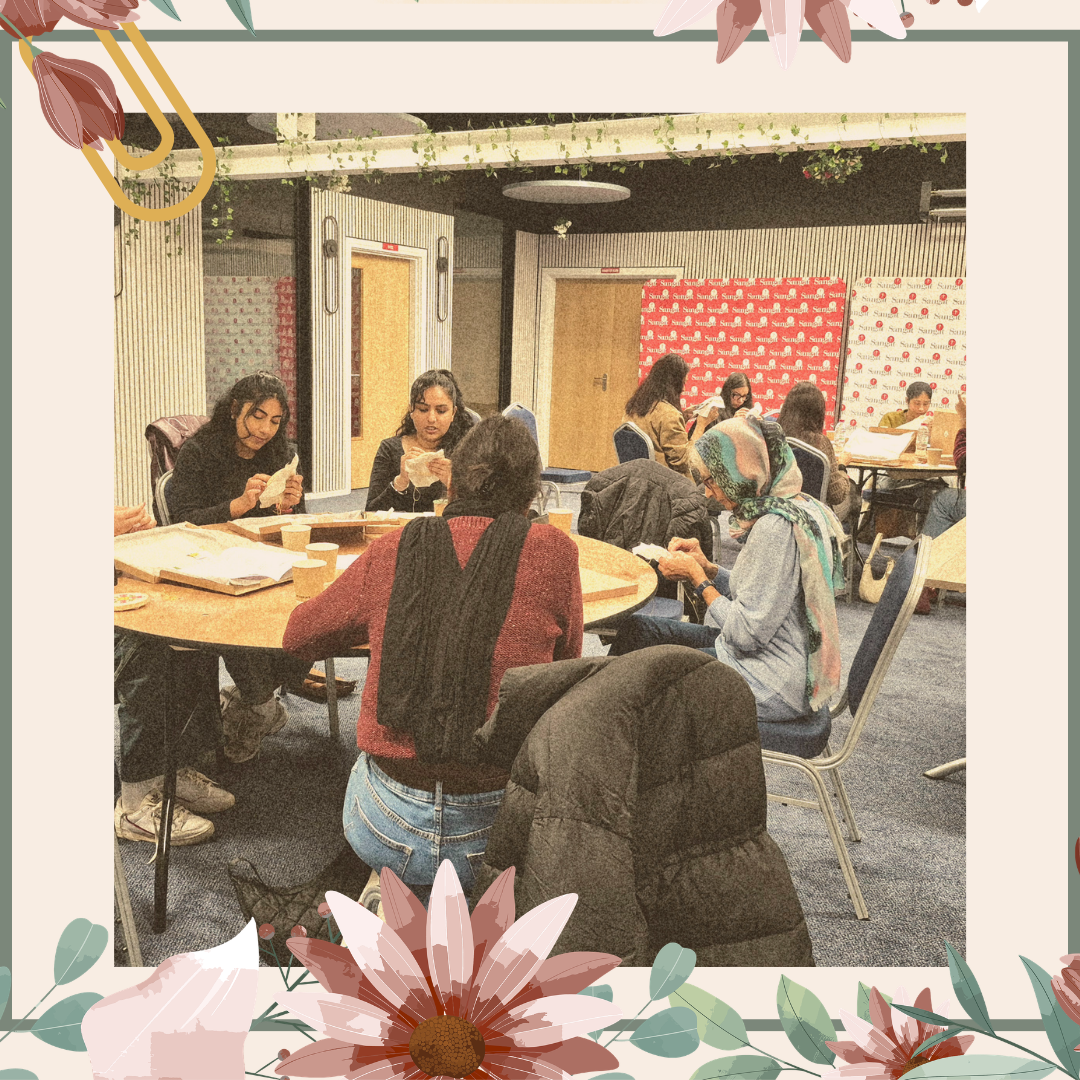
Inspired by my nani ji and taught by my mom, I am now using hand embroidery to explore how we can reconnect with our heritage, understand our roots and explore our identity through a craft that has long been integral to our communities.
MKD grew from that journey. Shaped by my Punjabi Sikh and South Asian heritage, for me, hand embroidery is more than a craft. It is a way to honour where we come from, express who we are and bring our communities together.
More than embroidery
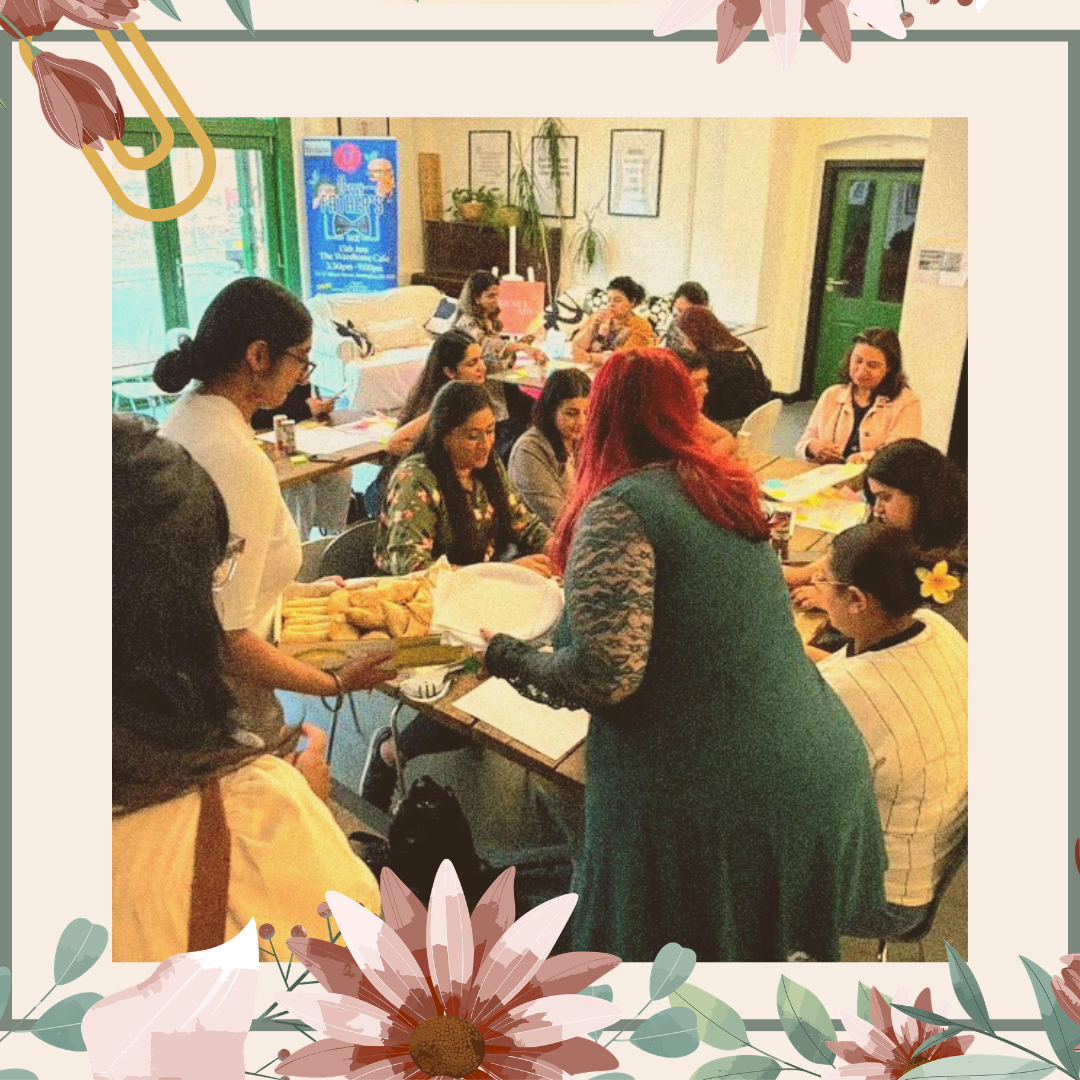
My work has always been about people. From community development to research and engagement; much of my work involves listening to communities, understanding their lived experiences, and creating spaces for communities to be part of the conversations that affect them.
That work has shaped how I approach MKD too. Just as communities are more than data to be collected, our culture is more than something to be admired for its aesthetic.
Through MKD, our pieces have been curated to look deeper at the meaning behind the traditions we’ve inherited, the parts that connect us and even the parts we might choose to question.
Because for me, preserving culture isn't about keeping it exactly as it was. It's about understanding what we've inherited and deciding how we want to carry it forward.
Beyond the thread
Other than a foodie turned powerlifting novice, I am a dyslexic brummie with big ideas and bold thoughts — finding inspiration somewhere between travelling and venturing through spaces filled with textiles, colour and culture.
My curiosity now takes me exploring how culture shows up in our life — through faith, what we wear, our food and the spaces we create. Travelling has made me notice this even more, from the textiles and colours I’m drawn to, to questioning whose culture and creativity we make space for. To now learning what it means to decolonise the spaces we exist in — to make our culture a part of our everyday lives, in our homes, on our walls, and through what we create; rather than something we only see in museums or in moments of celebration.
And perhaps that’s why MKD is an expression of so many parts of me: what I inherit, what I question, what I notice and what I’m still discovering.